
Trauma Counselling & EMDR

What is Trauma?
“Trauma results from an event, series of events, or a set of circumstances that is experienced by an individual as physically or emotionally harmful or threatening and that has lasting adverse impact on the individual functioning and physical, social, emotional or spiritual well-being.”
(SAMHSA 2012)
Have you experienced something in your life that that has been life changing? Have you gone through a situation that has left you shaken, powerless and emotionally unsafe? Have you experienced any adverse childhood experiences?
ACEs are potentially traumatic events that have occurred between the ages of 0 and before turning 18. The Adverse Childhood Experiences (ACE) Study is one of the largest investigations ever conducted to assess associations between childhood maltreatment and later-life health and wellbeing. (Starr Commonwealth 2019)
I can help with repair and returning a sense of safety and feelings of your experience of trauma. Whether it’s a little trauma or big it doesn’t matter, as what matters is the impact it had on you. Trauma is a sensory experience. It’s not what’s wrong with you but what happened to you. Healing is possible.
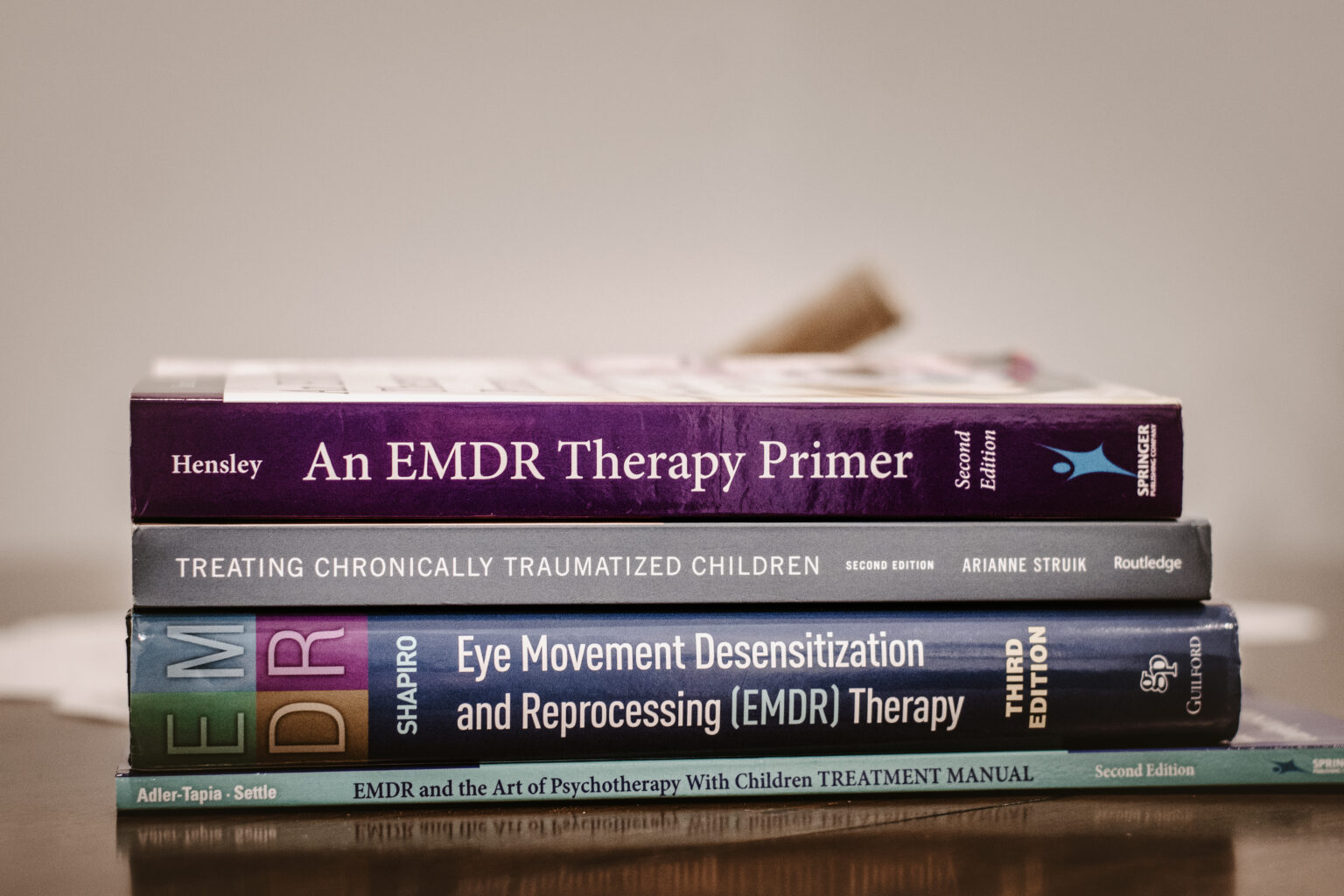
As a trained therapist in EMDR-please see the following information below.
What is EMDR?
Eye Movement Desensitization and Reprocessing (EMDR) is an integrative psychotherapy approach that has been extensively researched and proven effective for the treatment of trauma and many other mental health problems.
To date, EMDR therapy has helped millions of people of all ages (children, teens, adults) relieve many types of psychological stress. (EMDR Canada)
How is EMDR therapy different from other therapies?
EMDR therapy does not require talking in detail about the distressing issue or completing homework between sessions. EMDR therapy, rather than focusing on changing the emotions, thoughts, or behaviors resulting from the distressing issue, allows the brain to resume its natural healing process.
EMDR therapy is designed to resolve unprocessed traumatic memories in the brain. For many clients, EMDR therapy can be completed in fewer sessions than other psychotherapies.
How does EMDR therapy affect the brain?
Our brains have a natural way to recover from traumatic memories and events. This process involves communication between the amygdala (the alarm signal for stressful events), the hippocampus (which assists with learning, including memories about safety and danger), and the prefrontal cortex (which analyzes and controls behavior and emotion). While many times traumatic experiences can be managed and resolved spontaneously, they may not be processed without help.
Stress responses are part of our natural fight, flight, or freeze instincts. When distress from a disturbing event remains, the upsetting images, thoughts, and emotions may create feelings of overwhelm, of being back in that moment, or of being “frozen in time.” EMDR therapy helps the brain process these memories, and allows normal healing to resume. The experience is still remembered, but the fight, flight, or freeze response from the original event is resolved.”
Source: www.emdria.org
www.emdrcanada.org
Who can benefit from EMDR therapy?
EMDR therapy helps children and adults of all ages. Therapists use EMDR therapy to address a wide range of challenges:
- Anxiety, panic attacks, and phobias
- Chronic Illness and medical issues
- Depression and bipolar disorders
- Dissociative disorders
- Eating disorders
- Grief and loss
- Pain
- Performance anxiety
- Personality disorders
- PTSD and other stress-related issues
- Sleep disturbance
- Substance abuse and addiction
- Violence and abuse
What is EMDR
Watch this quick video for insights into EMDR therapy and who it may help.
Source: https://www.youtube.com/channel/UCUDd7_asUP0kI0WCRnl2ELw